Ball sports move fast. A hard serve, a rising hockey puck, or an awkward landing can turn a routine play into an injury. The right protective gear helps reduce avoidable risks, but no item can prevent every injury. Fit matters. So does wearing it correctly, every time.
“What safety gear do I need for ball sports” depends on the sport, the player’s age, and the level of contact. A catcher needs different protection from a volleyball player. Still, well-fitted footwear, sport-appropriate eye protection, and properly sized guards are common starting points. Helmets, mouthguards, knee pads, and gloves may also belong on the list. Check for cracks, loose straps, worn padding, and gear that shifts during movement. Small details count.
Sports-medicine physician Dr. David Geier offers a useful reminder: “Protective equipment should match the sport and fit the athlete.” Treat that as a practical principle, not a promise of complete protection. A helmet that rocks on the head or a shin guard that slips below the knee needs attention. This guide covers ten key items, what each protects, and what to check before play. Some recommendations vary by sport, and gear alone cannot replace sound technique or safe play. That distinction is easy to overlook.
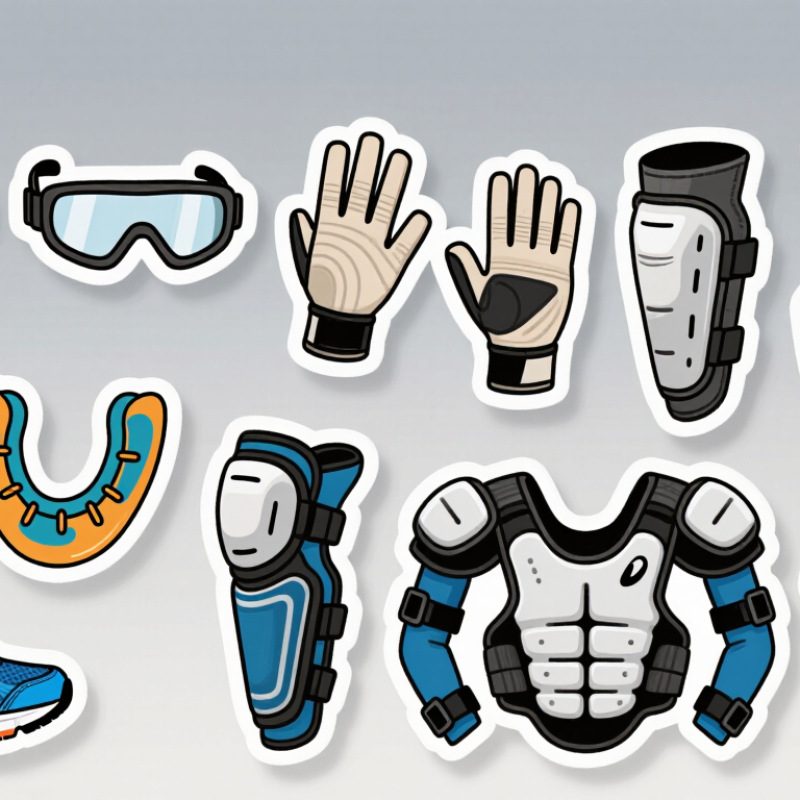
Ball sports involve quick turns, close contact, and hard surfaces. Safety gear can reduce exposure to common injuries, though no equipment prevents every accident. A well-fitted helmet helps protect the head, while a mouthguard and sport-rated eye protection shield vulnerable areas. Fit matters. Loose straps or shifting pads can distract players at the wrong moment.
Useful options include a helmet, mouthguard, protective goggles, shoulder pads, elbow pads, gloves, shin guards, ankle braces, supportive shoes, and a protective cup. The right selection depends on the sport and its level of contact; wearing every item is not always necessary. Check that helmets sit level and pads cover the areas they are designed to protect. Replace cracked shells, torn straps, and worn soles. A small split may be easy to miss.
Tips: Check equipment before each game, not just at the start of the season. Make sure fasteners hold, shoes grip the playing surface, and nothing blocks movement or vision. Follow sport-specific fitting guidance from qualified coaches or health professionals. Players often remember the obvious gear and overlook fit. That is worth reconsidering.
In ball sports with flying balls or player collisions, head protection can reduce some impact risks. A helmet or padded headguard should match the sport and the likely type of contact. Choose equipment that meets a recognized safety standard for that activity. A hard shell may suit one sport, while lightweight padded headgear is designed for another. Fit matters.
Place the gear level on the head, covering the areas specified by its design. It should feel snug without pinching, and it should not slide when the player turns or bends. Fasten the chin strap securely; loose straps can let a helmet shift during contact. Check the shell, padding, and straps before play. Look for cracks, compressed foam, torn stitching, or buckles that no longer hold.
Replace damaged equipment, and follow its care instructions after a significant impact. Even a helmet without visible cracks may need attention after a hard hit. One awkward truth: players often rush these checks during warm-ups. Slow down anyway. Head protection cannot prevent every concussion or injury, so it should not encourage riskier contact. A secure fit, sound equipment, and sensible play all matter.
Top 10 Safety Gear Items You Need for Ball Sports
Eye protection deserves serious attention. Prevent Blindness estimates that more than 40,000 sports-related eye injuries occur annually in the United States. Regular glasses are not enough. Use sport goggles with impact-resistant lenses, secure straps, and full side coverage. Check the fit before play. Loose eyewear can shift during a collision.
Mouthguards protect teeth, lips, and the jaw. International Association of Dental Traumatology literature reports that sports cause roughly 13% to 39% of dental injuries. A properly fitted mouthguard should stay in place while speaking and breathing. It may feel bulky at first. That discomfort is real, but poor fit creates another risk. Replace it when damaged, distorted, or difficult to clean.
Facial protection can include helmets, face cages, cheek guards, chin protection, and approved shields. Choose equipment designed for the specific ball sport. Look for recognized testing standards, correct sizing, and visible damage checks. Secure chin straps every time. Store gear in a ventilated case, not inside a damp kit bag. A missed strap or scratched lens can weaken protection. Safety equipment reduces injury severity, but it cannot prevent every impact. Coaches and players should inspect it before each session.
For ball sports, joint and muscle support should match the movement, not just the uniform.
A knee sleeve can add warmth and gentle compression, while a properly fitted brace may limit certain movements after an injury. An ankle brace can offer support during quick cuts, but it should not replace balance and strength training.
Fit matters. Gear that slips, pinches, or leaves deep marks may be too loose or tight. Check it before play, then move through a few lunges and side steps.
Compression shorts or a calf sleeve may feel comfortable during repeated sprints, though they do not prevent every strain. Choose breathable fabric that stays in place when damp.
For a sore joint or recurring muscle problem, ask a qualified health professional what support is suitable; the right choice depends on the injury and sport.
Support gear is not a shortcut. It can also create false confidence, which is worth noticing when the game gets fast.
Replace worn straps and stretched sleeves, and stop if numbness, tingling, or worsening pain develops. Even good gear cannot fix poor movement. That part takes practice.
Choosing the right gear starts with the sport, fit, and likely impact—not a shopping list. Consider a sport-appropriate helmet, mouthguard, protective eyewear, face guard, shin guards, ankle support, wrist guards, padded gloves, chest protector, and athletic cup. Not every player needs all ten. Check league rules and recognized safety standards before buying; protection designed for one sport may not suit another. Fit matters. A helmet should sit level, with straps snug and no wobble. Guards should stay in place while you run, turn, and reach.
Fit matters. A helmet should sit level, with straps snug and no wobble. Guards should stay in place while you run, turn, and reach.
Use gear as intended, and check it before each game. Cracks, loose stitching, broken fasteners, or compressed padding are warning signs. Replace helmets after a significant impact, following the maker’s guidance, even when damage is hard to see. Wash mouthguards and let them dry fully. Keep equipment out of hot cars, where heat can weaken some materials. Fit checks are easy to skip when practice runs late. That’s worth noticing.
The CDC’s National Health Statistics Reports analysis, “Sports- and Recreation-Related Injury Episodes in the United States, 2011–2014,” estimated 8.6 million such injury episodes annually, or 27.1 per 1,000 people. This broad estimate does not show that equipment alone prevents injuries. Still, it gives a practical reason to inspect gear, teach correct use, and replace worn items rather than relying on appearance alone.
Sport goggles can shield eyes from impacts. Choose impact-resistant lenses, secure straps, and full side coverage. Regular glasses may not provide enough protection.
Check the fit before play. They should stay secure during movement and collisions. Loose eyewear can shift.
It helps protect teeth, lips, and the jaw. A good fit stays in place while you speak and breathe. It may feel bulky at first.
Replace it if it is damaged, distorted, or difficult to clean. Wash it after use and let it dry fully. Easy to overlook.
No. Choose equipment based on the sport, fit, and likely impacts. Check league rules before buying.
Look for cracks, loose stitching, broken fasteners, and compressed padding. A helmet should sit level, with snug straps and no wobble.
Replace it after a significant impact, following the maker’s guidance, even if damage is hard to see. That matters.
Use a ventilated case and keep equipment out of hot cars. Avoid leaving damp gear in a kit bag.
No. It can reduce injury severity, but it cannot prevent every impact. Inspect equipment before each session.
The right safety gear can reduce the risk of common injuries in ball sports, from collisions and fast-moving impacts to sprains and muscle strains. What safety gear do I need for ball sports depends on the activity, the level of contact, and the player’s individual needs. A well-fitted helmet can help protect the head, while suitable eye protection, a mouthguard, or a face guard may reduce the risk of injuries to the eyes, teeth, and face.
Supportive equipment can also help protect vulnerable joints and muscles. Depending on the sport, this may include braces, padding, or other protective supports. Choose equipment designed for the activity, check that it fits comfortably and securely, and follow its care instructions. Inspect gear regularly for cracks, worn straps, loose fasteners, or other damage, and replace items that no longer provide reliable protection. Good equipment works best when paired with safe technique and consistent use.

Insider Sports