Maintaining sports accessories correctly is crucial for enhancing performance and longevity. Many athletes overlook the importance of proper care. This often leads to premature wear or inadequate functionality.
The right maintenance can significantly impact your gear’s durability. Regular cleaning, inspecting for damage, and proper storage are essential steps. However, not everyone is aware of best practices in this area. For example, cleaning methods can vary based on the material.
Not paying attention to maintenance can lead to serious issues. For instance, neglected footwear can cause injuries. Understanding how to maintain sports accessories correctly can prevent these problems. By following expert tips, you can keep your equipment in top condition and ready for your next challenge.
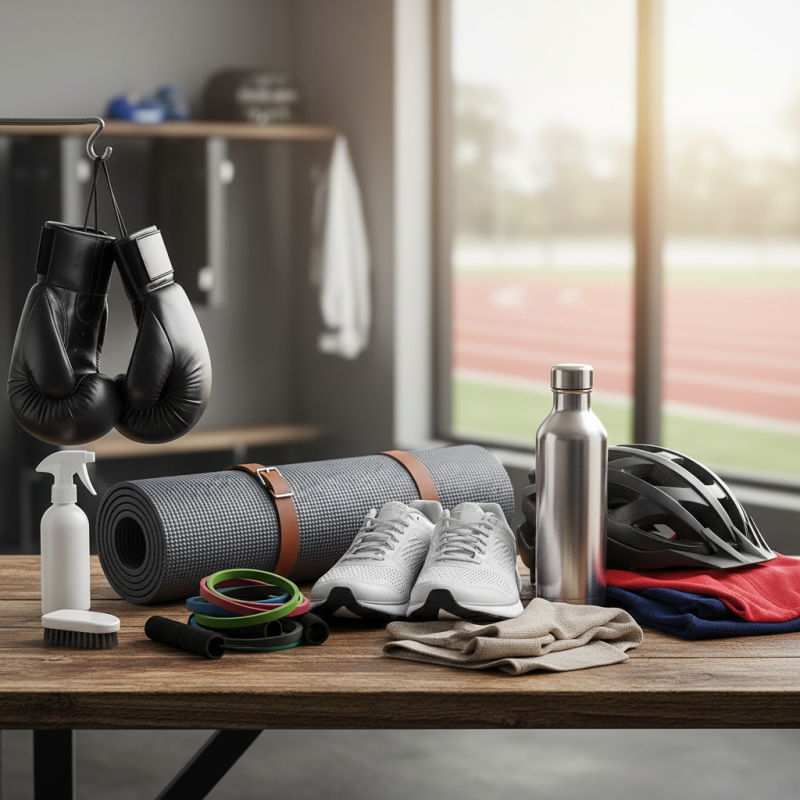
Regular cleaning of sports accessories is essential for their longevity and functionality. Over time, sweat, dirt, and grime accumulate on these items. This buildup can lead to unpleasant odors and even mold growth. A simple cleaning routine can prevent these issues. Wiping down your gear with a damp cloth after use can make a big difference. It’s a small step that keeps your accessories fresh.
Many athletes overlook the importance of cleaning their gear. Skipping this step can affect performance. For instance, dirty shoes can cause slips or discomfort. Likewise, neglected protective gear may fail during crucial moments. Taking just a few minutes to clean regularly is wise. It can ultimately save time and enhance your overall experience in sports.
Cleaning isn't just routine; it’s an opportunity for reflection. Consider why certain items need more attention. Maybe your training is more intense or your environment is dustier. Assessing your cleaning habits can reveal much about your usage patterns. This awareness can help you determine what tools and techniques might work best for you. Regular cleaning is not just about appearance; it’s about respect for the activity and equipment.
| Tip No. | Maintenance Tip | Frequency | Recommended Cleaning Method |
|---|---|---|---|
| 1 | Clean after every use | Every Use | Wipe with a damp cloth |
| 2 | Store in a dry place | Always | Use a breathable bag |
| 3 | Inspect for wear and tear | Monthly | Visual Inspection |
| 4 | Avoid direct sunlight | Always | Store in a shaded area |
| 5 | Use appropriate cleaners | As needed | Non-abrasive cleaners |
| 6 | Air dry after cleaning | After Cleaning | Hang in a well-ventilated area |
| 7 | Keep away from sharp objects | Always | Store in a secure place |
| 8 | Check for mold | Weekly | Clean with vinegar solution |
| 9 | Replace damaged items | As needed | Dispose carefully |
| 10 | Follow manufacturer instructions | Always | Refer to product manual |
: UV radiation can reduce materials' lifespan by up to 30%. Moisture can cause mold in bags and shoes.
Extreme heat can warp gear. Conversely, cold temperatures make materials brittle.
Regular inspections are vital for detecting wear. Inspect running shoes after 300 to 500 miles.
Look for changes in performance or increased vibrations during play. Worn grips can also affect your hold.
Store gear in climate-controlled areas. Regular cleaning removes dirt and sweat that may corrode materials.
Helmets should be replaced every few years, even if they appear fine. Check manufacturers' recommendations for timings.
A survey found that 70% of athletes run in shoes that are overdue for replacement.
Yes, inadequate gear can lead to a 25% decrease in performance due to environmental stress.
Equipment failure contributes to 43% of sports injuries, making it crucial to stay aware of your gear's condition.
Simple actions like proper storage and regular cleaning can significantly extend the life of your equipment.
To understand how to maintain sports accessories correctly, it is essential to recognize the importance of regular cleaning, which helps prevent dirt buildup and extends the lifespan of your gear. Additionally, employing material-specific care techniques allows you to treat different accessories in ways that suit their unique properties, ensuring they remain durable over time.
Environmental factors such as humidity and temperature can significantly impact the longevity of your sports accessories. Therefore, choosing appropriate storage solutions is crucial to avoid damage and wear. Finally, being aware of when to replace your accessories is vital; look for signs of wear and tear to make informed decisions about your gear. By following these tips, you can effectively maintain your sports accessories and keep them in excellent working condition.

 Insider Sports